

Desulfurization has become an essential process for industries handling gases containing hydrogen sulfide (H₂S). Sectors such as biogas, biomethane, mining, and refining face increasingly strict environmental regulations due to the toxicity, corrosive nature, and environmental impact of sulfur compounds.
In Europe, regulatory frameworks such as the Industrial Emissions Directive (IED) and BREF documents set increasingly demanding emission limits, making efficient desulfurization systems mandatory.
What is desulfurization and why is it so important?
What is desulfurization?
Desulfurization refers to the processes used to remove sulfur compounds—mainly H₂S—from industrial gases or process streams in order to reduce emissions and protect equipment.
It is essential because it:
- Prevents harmful emissions, including SO₂ and odors
- Protects equipment from corrosion and premature failure
- Ensures compliance with legal emission and operating limits
Desulfurization tailored to each industry
Effective desulfurization solutions must be adapted to the specific requirements of each application:
-
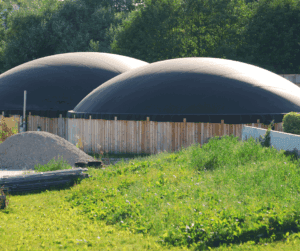
Biogas & biomethane
H₂S removal is critical to protect engines, improve efficiency, and meet gas-quality specifications.
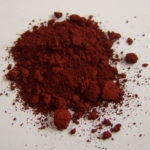
MICRONOX ON16 stands out for its high adsorption capacity, operational safety, and reliability in continuous operation.
-
Mining & metallurgy
Desulfurization helps reduce corrosion in pipelines and ventilation systems, enhancing safety and equipment lifetime.
-
Refineries
Refining processes demand robust media capable of stable performance under harsh operating conditions.
Proven results
Well-designed desulfurization systems deliver clear benefits:
- 95–100% H₂S removal
- Significant reduction of odor emissions
- Stable, compliant plant operation
At PROMINDSA, we see it every day: plants that adopt MICRONOX ON16 operate more reliably and meet environmental requirements without complications.