

The new European regulation on microplastics
EU Regulation (EU) 2023/2055 introduces new restrictions on the use of synthetic polymer particles, aiming to reduce microplastic emissions into the environment. This regulation affects a wide range of products, including certain pigments and coatings, and requires manufacturers to ensure that their formulations do not contain components that could release microplastics during use or application.
In this context, the origin and composition of raw materials have become crucial, especially in industries where pigment stability, purity and sustainability are key performance factors.
Natural iron oxides: a safe and sustainable alternative
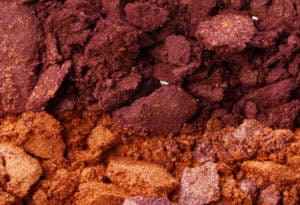
At PROMINDSA, we have been working for over 50 years with natural iron oxides extracted from our own mines. Thanks to this vertically integrated production model, we can offer R01 and R02 pigments that are 100% natural, without additives or synthetic polymers, ensuring products that are completely free from microplastics.
Our natural pigments provide a technically sound and environmentally responsible alternative to synthetic pigments that may be affected by the new regulation.
Commitment to traceability, quality and the environment
Controlled origin: our value chain starts at the mine and ends with the finished product. This full traceability guarantees the verified origin and purity of every pigment batch.
Guaranteed quality: daily analyses are performed throughout all production stages to maintain consistent composition and optimal purity. Each pigment meets the highest technical and performance standards.
Safe and sustainable product: the R01 and R02 pigments are completely free from synthetic polymers and do not generate microplastics during their application or final use, fully aligning with the objectives of EU Regulation 2023/2055.
Responsible innovation for a microplastic-free future
Choosing natural pigments is not only about regulatory compliance — it’s also a commitment to environmental responsibility and sustainable innovation. At PROMINDSA, we believe that sustainability starts at the source, which is why we control every step of the process, from extraction to the final pigment.
With our natural iron oxides, we help our clients comply with European regulations while moving together toward a cleaner and more sustainable future.
Frequently asked questions about microplastic-free pigments
Which products are affected by EU Regulation 2023/2055?
The regulation applies to all products intentionally containing added microplastics, including some pigments, coatings, cosmetics and detergents.
Why are PROMINDSA’s R01 and R02 pigments microplastic-free?
Because they are made exclusively from natural iron oxides, with no synthetic polymers or additives that could release plastic particles.
What advantages do natural pigments offer compared to synthetic ones?
They provide a more stable composition, greater environmental compatibility and a lower ecological footprint — without compromising on technical performance or durability.